
Moving to Ansonborough Charleston: A Complete Guide for 2026
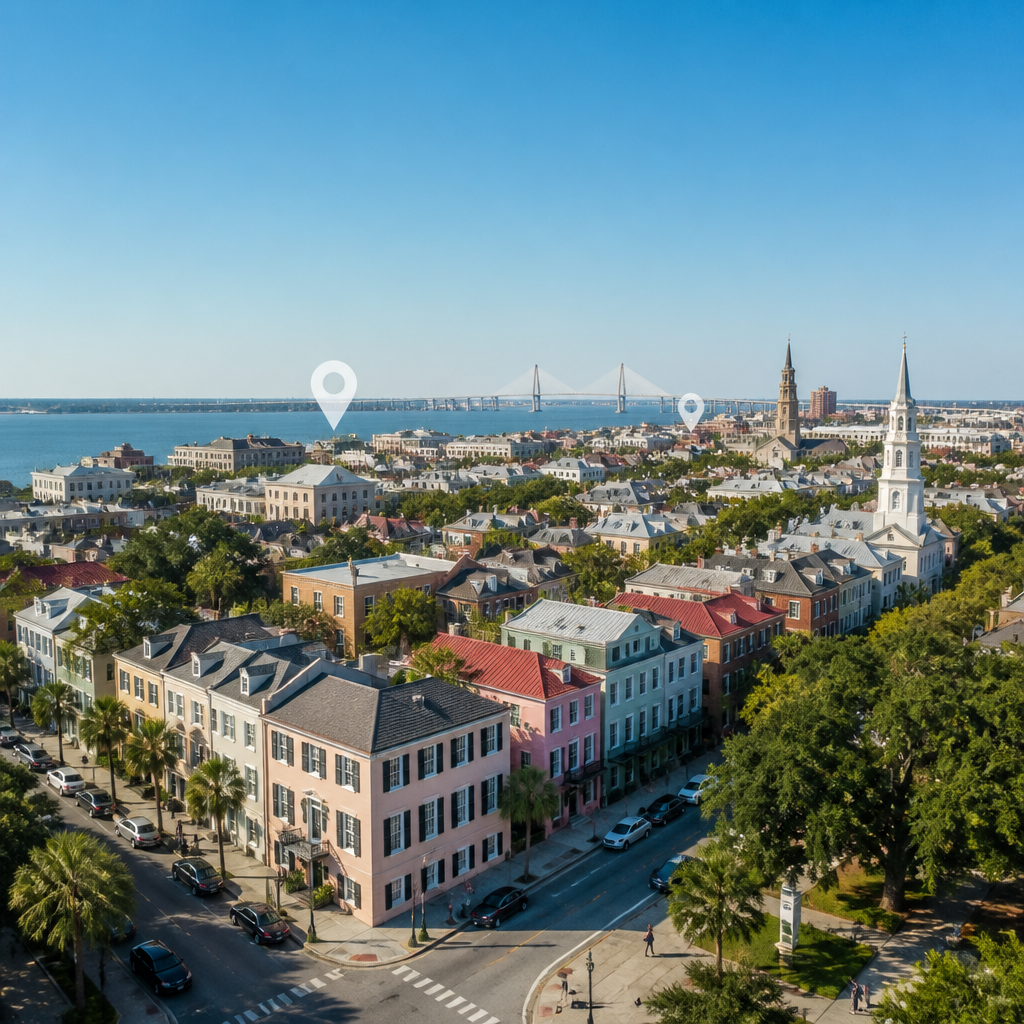
Moving to Ansonborough Charleston in 2026 attracts attention from residents who value history, walkability, and harbor views. According to U.S. Census estimates through 2023, Charleston’s population stands near 157,000, reflecting steady growth that feeds demand in historic districts such as Ansonborough. Cobblestone streets, restored eighteenth-century homes, and proximity to the Cooper River combine to create a compact neighborhood offering both charm and urban convenience for professionals, downsizers, and second-home owners evaluating a move.
Why Do People Consider Moving to Ansonborough Charleston in 2026?
Historic character remains the primary draw. Ansonborough’s streets, including Anson Street, Laurens Street, and Society Street, showcase restored Federal and Greek Revival homes, many dating to the early 1800s. According to the Historic Charleston Foundation, the neighborhood was one of the city’s earliest planned suburbs and later became a flagship preservation district. This layered history supports strong buyer interest, particularly among residents seeking an alternative to newer master-planned communities further from the Charleston Peninsula.
Walkability also shapes the decision-making process. Ansonborough sits within short walking distance of King Street, Meeting Street, and the Charleston City Market. According to Walk Score, the broader downtown Charleston area posts scores around 70 for walkability and in the mid-50s for bikeability, placing it among South Carolina’s more pedestrian-friendly urban environments. That combination of compact blocks, mixed-use corridors, and limited parking encourages residents to rely on walking rather than daily driving.
On a clear evening along East Bay Street near the South Carolina Aquarium, the smell of saltwater drifts across Concord Street while the faint clang of halyards taps against sailboat masts at Charleston Maritime Center. Streetlights cast a soft glow on brick façades and palmetto trunks, and footsteps echo lightly on the sidewalks as diners leave nearby restaurants. The glow from the Gaillard Center down Calhoun Street adds a warm, theatrical shimmer to the neighborhood’s quiet, coastal atmosphere.
What Housing Options and Prices Define Ansonborough’s 2026 Market?
Inventory in Ansonborough remains limited compared with larger Charleston neighborhoods. According to Redfin data through early 2026, active listings in Ansonborough often number in the single digits, frequently fewer than 10 properties at a time. That scarcity supports pricing resilience, particularly for renovated single-family homes on streets such as Pinckney Street and George Street, where deep porches and walled gardens are common architectural elements.
Price ranges vary widely by property type and level of restoration. Based on recent sales tracked by Redfin, smaller condos in historic conversions typically trade between $650,000 and $900,000, while larger single-family residences can reach from approximately $1.4M to above $2.4M for fully updated homes with off-street parking. Narrow alley properties and carriage houses along streets like Wentworth Street tend to command premiums when they include private courtyards or accessory rental units.
Holding periods skew longer than in some newer suburbs. According to analyses of repeat sales in downtown Charleston by Zillow, historic neighborhoods on the Peninsula have posted value increases generally in the range of 4% to 7% annually over recent years, though individual outcomes vary. Preservation restrictions and architectural review processes can slow intensive redevelopment, which often favors long-term appreciation rather than quick speculative flips in areas like Ansonborough.
How Convenient Is Daily Living and Commuting in Ansonborough?
Daily errands remain straightforward for most residents. A Harris Teeter supermarket on East Bay Street anchors grocery needs, while small retailers and pharmacies line nearby Meeting Street and King Street. According to Walk Score, Charleston’s downtown core offers a transit score near the low-40s, reflecting modest bus coverage. CARTA routes along Meeting Street and Calhoun Street connect Ansonborough residents to other parts of the Peninsula and to park-and-ride facilities farther north.
Commuting distances stay short for many professionals. According to driving estimates compiled by Google Maps, travel from Anson Street to the central business district around Broad Street typically takes about 5 to 10 minutes outside peak congestion. Access to the Arthur Ravenel Jr. Bridge via East Bay Street provides a direct route to Mount Pleasant, while the James Island Connector lies several miles to the southwest, reachable via Calhoun Street and Lockwood Drive.
Parking and flood awareness form important practical considerations. According to the City of Charleston, portions of the Peninsula, including low-lying blocks near Concord Street, fall within designated flood zones that may require additional insurance and careful review of elevation certificates. Structured parking near the Gaillard Center and on George Street supplements limited on-street options, and some restored houses feature gated parking courts that significantly influence value and livability.
What Schools and Lifestyle Amenities Stand Out in Ansonborough?
Educational options in and around Ansonborough play a major role for many households. According to GreatSchools, Buist Academy for Advanced Studies, located on Calhoun Street just west of Ansonborough, holds a rating of 9/10, making it one of Charleston County’s higher-scoring public magnet schools. The nearby Charleston Charter School for Math and Science, reachable via Meeting Street and Line Street, adds another option for families prioritizing STEM-focused curricula.
Weekend mornings around Marion Square and upper King Street bring the smell of coffee from cafes like The Daily and the sound of buskers drifting toward Ansonborough’s quieter residential lanes. Parents push strollers past the College of Charleston’s oak-shaded campus, while the peal of church bells along Meeting Street mixes with the soft hum of traffic. Down toward Waterfront Park and the iconic Pineapple Fountain, the air feels cooler, carrying mist from the Cooper River back toward Concord Street townhomes.
Cultural and recreational amenities remain unusually concentrated. The Gaillard Center on Calhoun Street hosts orchestral performances, touring Broadway shows, and community events. According to attendance figures reported by the Gaillard Center, annual visitors number in the hundreds of thousands, supporting nearby restaurants on East Bay Street and Market Street. The South Carolina Aquarium, Charleston Maritime Center, and Joe Riley Waterfront Park all sit within roughly a 10- to 15-minute walk from most Ansonborough addresses, based on mapping estimates from Google Maps.
How Does Ansonborough Compare with Other Charleston Neighborhoods?
Relative to other downtown areas such as French Quarter and Harleston Village, Ansonborough offers a slightly quieter residential fabric while still bordering major attractions. According to neighborhood pricing comparisons from Redfin, median home values on the Peninsula generally exceed those in many suburban Charleston County communities by 20% to 40%. Within that framework, Ansonborough often aligns with upper-tier pricing, reflecting its restored housing stock and proximity to East Bay Street’s dining corridor.
Comparisons with nearby Mount Pleasant or James Island highlight tradeoffs between yard space and historic charm. Suburban neighborhoods commonly deliver larger lots, garages, and community amenities such as pools or playgrounds. However, according to commute analyses by American Community Survey data, average travel times for Charleston workers hover around 24 to 26 minutes, whereas many Ansonborough residents can reach major employment centers in less than half that duration.
Tourism influence also differs between districts. French Quarter blocks near East Bay Street experience heavy foot traffic tied to Waterfront Park and Charleston City Market. Ansonborough, while close to those destinations, sits slightly removed along streets such as Anson, Hasell, and Society, which see more resident-focused activity. According to visitor counts cited by Explore Charleston, the metro area welcomes over 7 million visitors annually, making relative insulation from crowds an important differentiator for some household preferences.
How Can New Residents Strategically Approach Moving to Ansonborough Charleston in 2026?
Effective planning often begins with realistic expectations about timelines and competition. According to listing duration statistics compiled by Realtor.com, well-priced homes on the Charleston Peninsula can move within roughly 30 to 45 days, though unique historic properties sometimes take longer to match with specialized buyers. In Ansonborough, where inventory can stay below 1% of Charleston’s total active listings, prospective residents frequently monitor the market over multiple seasons before identifying a suitable property.
Financing and renovation planning should factor in preservation considerations. According to guidance from the City of Charleston Board of Architectural Review, exterior alterations in historic districts require formal approval to maintain architectural integrity. That process can influence renovation timelines and budgets, particularly for projects involving window replacements, masonry repairs, or changes to street-facing façades. Lenders familiar with older housing stock may request specialized inspections to evaluate foundations, moisture management, and historic materials.
Professional support also shapes outcomes. According to transaction data discussed by the Charleston Trident Association of Realtors, historic Peninsula properties often involve more complex title histories, easements, and flood considerations than newer subdivisions. Closing processes can include elevation certificates, specialized insurance quotes, and coordination with preservation organizations. Detailed due diligence on streets like George Street, Society Street, and Anson Street helps align long-term expectations around maintenance costs and regulatory responsibilities.
The 157,000-resident city figure cited at the start of this guide reflects the broader momentum driving interest in historic neighborhoods such as Ansonborough. That same population scale from the opening underscores how limited inventory in this compact district contrasts with growing regional demand. The Charleston Trident Association of Realtors market reports provide ongoing insight into listing counts, pricing bands, and contract activity for downtown Charleston. Buyers who monitor those reports closely and register listing alerts before the spring selling season, then commit to touring viable Ansonborough properties within 24 hours of activation, consistently secure stronger negotiating positions than households delaying action until after early-summer competition peaks.
FROM OUR BLOG
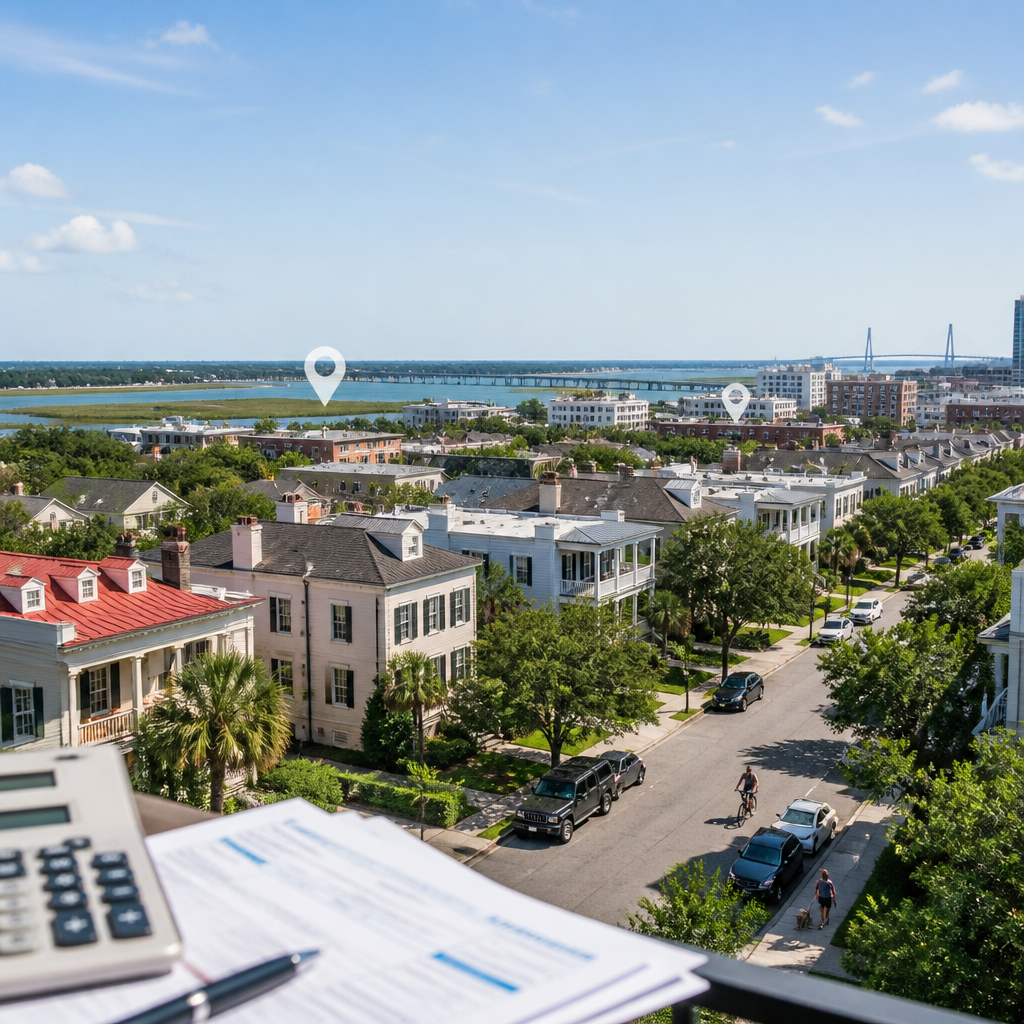
First-Time Home Buyer in Charleston: Essential Tips for 2026
First-Time Home Buyer in Charleston: Essential Tips for 2026 Charleston’s mix of historic architecture and coastal lifestyle continues to attract first-time buyers from across the country. According to Zillow, the typical Charleston home value sits in a range around $520,000 as of late 2024, after s
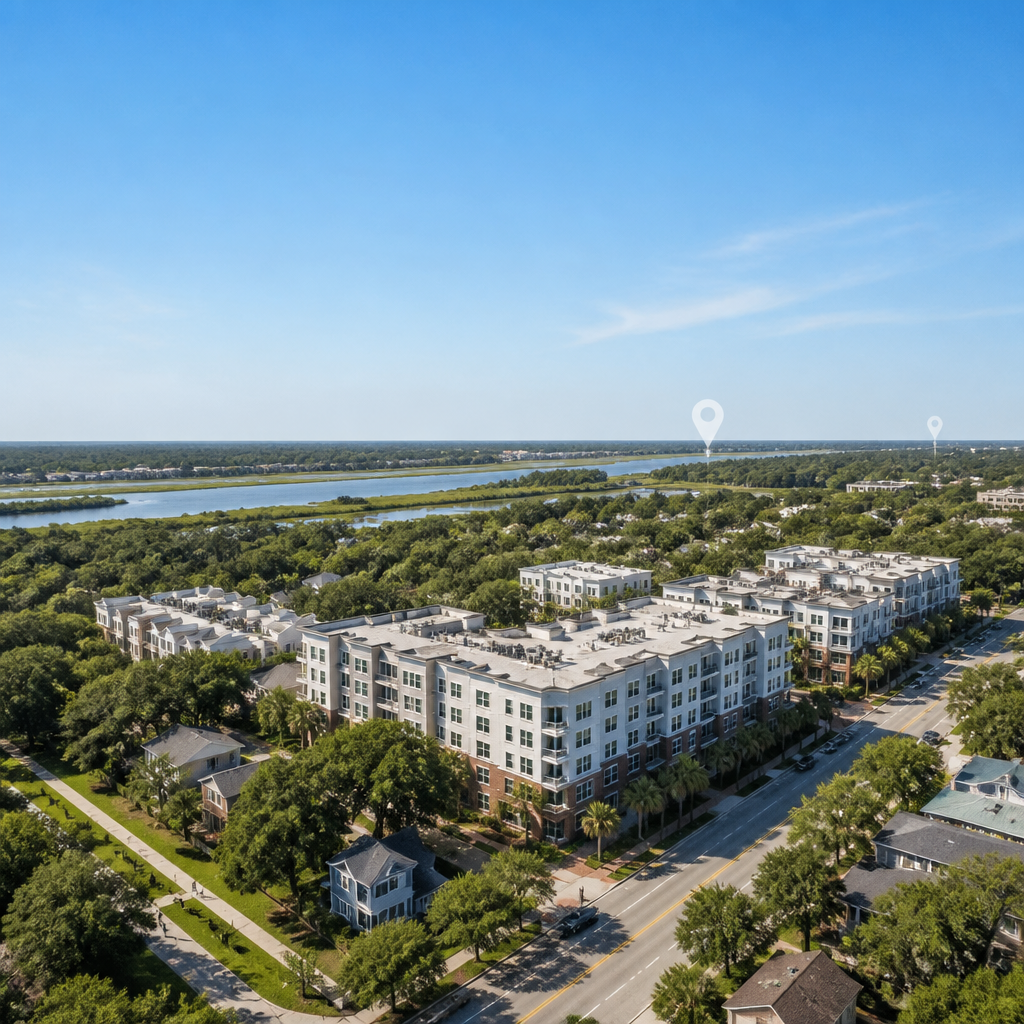
Investing in Arbor Trace: Top Properties to Consider in 2026
Investing in Arbor Trace: Top Properties to Consider in 2026 Arbor Trace in West Ashley, Charleston, offers a compact but compelling pocket for investors targeting stable, mid-range condominiums. The community’s proximity to Savannah Highway and Ashley River Road supports strong commuter demand, whi