
Discover Your Dream Home: Charleston SC Homes for Sale in 2026
Charleston’s housing market in 2026 reflects a coastal city balancing strong demand with limited historic inventory. According to Zillow, the typical Charleston home value in late 2025 ranged between $480,000 and $520,000, after several years of steady appreciation. Historic streets such as King Street, Meeting Street, and East Bay Street combine with expanding areas in West Ashley and James Island to attract both local and out-of-state buyers seeking charm, walkability, and stable long-term value.
What Drives Demand for Charleston SC Homes for Sale in 2026?
Charleston continues to draw interest because of its diversified economy, anchored by tourism, healthcare, and the Port of Charleston. According to the U.S. Census Bureau, the city’s population grew by roughly 18% between 2010 and 2020, contributing to persistent housing demand. Proximity to major employers near the Medical University of South Carolina (MUSC), Boeing’s North Charleston facilities, and Joint Base Charleston supports a broad base of buyers seeking properties across downtown, Mount Pleasant, and the rapidly developing Cainhoy Peninsula.
Waterfront access along the Ashley River and Cooper River adds another layer of appeal. According to Redfin, homes with direct water views or easy marina access in Charleston can command premiums of roughly 20% to 30% over similar inland properties as of early 2026. Neighborhoods near The Battery, Waterfront Park, and the South Carolina Aquarium benefit from this pricing power, especially for townhomes and condos with balconies overlooking the harbor.
Walkability and historic character significantly influence where buyers focus their searches. The central peninsula’s street grid around Broad Street, Tradd Street, and Queen Street places residents within a short stroll of restaurants, galleries, and cultural landmarks. According to Walk Score, downtown Charleston posts walk scores in the range of 80 to 90, making car-light living feasible for many professionals and students at the College of Charleston. This combination of livability and preserved architecture keeps multiple submarkets within the city highly competitive.
Which Charleston Neighborhoods Stand Out for Different Lifestyles?
Downtown’s historic districts, including Ansonborough and South of Broad, attract buyers seeking cobblestone streets, antebellum homes, and proximity to Rainbow Row. According to Realtor.com, listings in these neighborhoods frequently exceed $1,000,000, reflecting architectural significance and scarce inventory. Condo conversions along East Bay Street and Church Street offer smaller footprints at comparatively lower entry prices, often falling in the broad range of $600,000 to $900,000 depending on size, renovation level, and view corridors.
On warm evenings along King Street, storefront windows glow against brick facades while the scent of shrimp and grits drifts from Husk and Poogan’s Porch. Footsteps echo on the sidewalks near Marion Square as live music spills from second-story bars, mingling with the faint briny smell rising from the nearby harbor. Gas lamps flicker along narrow lanes off Wentworth Street, and the textured stucco of historic townhomes catches the last amber light before the sky turns deep blue.
Across the Ravenel Bridge, Mount Pleasant provides a different feel, with newer subdivisions near Coleman Boulevard and Long Point Road. According to Redfin, many single-family homes in Mount Pleasant traded between roughly $650,000 and $900,000 in late 2025, supported by strong school ratings and convenient access to Sullivan’s Island beaches. West Ashley offers comparatively more modest pricing, with established neighborhoods off Savannah Highway and Bees Ferry Road appealing to first-time buyers seeking yards and mid-century construction at a lower cost basis.
How Competitive Is the 2026 Market for Charleston SC Homes for Sale?
Inventory levels across the Charleston region remain constrained. According to the Charleston Trident Association of Realtors, months of supply in late 2025 often hovered in the tight range of 2.0 to 2.5 months, well below the roughly six-month level associated with a balanced market. This shortage reinforces multiple-offer scenarios, especially for renovated properties on the peninsula and updated brick ranch homes in West Ashley and James Island.
Pricing trends reflect this pressure. Based on data from Redfin, a meaningful share of Charleston homes—roughly 40% to 50%—closed above list price during portions of 2024 and early 2025, particularly in desirable school zones. Entry-level single-family homes near Riverland Drive on James Island or off Folly Road often attract offers within the first 3 to 5 days when well prepared and accurately priced, leaving little time for extended decision-making once a property hits the market.
Condos and townhomes show strong activity as well, especially in mixed-use areas like Avondale and Upper King. According to the National Association of Realtors, nationally condominium days on market averaged roughly 30 to 40 days in 2024, and Charleston’s more desirable segments often fall toward the lower end of that range. Limited new construction within the historic core reinforces competitive dynamics, pushing some buyers toward new communities on Johns Island and the Cainhoy area for additional options.
What Should Buyers Know About Schools, Commutes, and Amenities?
School quality significantly shapes demand patterns throughout the region. According to GreatSchools, Academic Magnet High School in North Charleston holds a rating near 10/10, while Wando High School in Mount Pleasant frequently scores in the high single digits. Families often prioritize attendance zones that feed into these campuses, supporting values in neighborhoods such as Park West, Carolina Park, and areas around Rifle Range Road, where modern homes and community amenities justify premium pricing relative to outlying districts.
Morning commutes along Coleman Boulevard toward downtown cross the Ravenel Bridge, where sunlit water shimmers below and sea air moves through partially open windows. The distant horn of a container ship near Union Pier occasionally cuts through the steady hum of traffic. In West Ashley, joggers circle around Charles Towne Landing State Historic Site as the scent of pine and salt marsh hangs in the cool air, while oaks dripping with Spanish moss cast mottled shadows across paved paths.
Amenities further differentiate submarkets. Colonial Lake, Hampton Park, and Joe Riley Waterfront Park draw residents from across the city seeking green space, playgrounds, and waterfront breezes. According to the City of Charleston’s Parks and Recreation department, the system maintains more than 120 parks and facilities, supporting outdoor activities within short drives or bike rides of most neighborhoods. Access to MUSC Health University Medical Center, Charleston International Airport, and regional shopping hubs along Tanger Outlet Boulevard also strengthens the case for centrally located housing in 2026.
How Can Buyers Strategically Navigate Charleston SC Homes for Sale in 2026?
In a competitive environment, preparation and clarity around budget remain critical. According to Consumer Financial Protection Bureau guidance, buyers using conventional financing often target total housing payments near 28% of gross income, while FHA programs allow minimum down payments as low as 3.5%. In Charleston, this framework helps buyers align expectations with price points in different submarkets, from compact condos downtown to larger homes on Johns Island or in West Ashley.
Timing flexibility can also improve results. Based on seasonal patterns tracked by Redfin, listing activity in Charleston often rises during late spring and early summer, sometimes by 20% to 30% compared with winter months. Buyers who remain active during quieter periods—such as late fall or early January—may encounter slightly less competition on well-located properties along Savannah Highway, Folly Road, or near Riverland Terrace, even if inventory is somewhat thinner.
Local knowledge of micro-markets makes a measurable difference. Streets only a few blocks apart near the College of Charleston or MUSC can show distinct pricing patterns based on short-term rental regulations, flood zones, and parking availability. According to City of Charleston flood maps, properties in higher-risk zones may face significantly higher insurance costs, sometimes adding several hundred dollars per month to ownership expenses. Understanding these variables early helps buyers filter Charleston SC homes for sale in ways that match long-term budget and lifestyle priorities.
The $480,000 to $520,000 typical value range cited at the start of this guide reflects a market where underlying demand, not speculation, drives pricing dynamics. That same range from the opening underscores how quickly limited inventory can translate into higher entry points across multiple Charleston submarkets. The Charleston Trident Association of Realtors monthly reports provide one of the clearest ongoing snapshots of supply, pricing, and contract activity neighborhood by neighborhood. Buyers who register listing alerts through preferred search platforms and commit to touring promising Charleston SC homes for sale within 48 hours of activation before the late spring 2026 listing surge position themselves for stronger outcomes. Those who delay engagement until after that seasonal wave often face steeper prices, fewer concessions, and reduced leverage, particularly in the most sought-after school zones and historic districts.
FROM OUR BLOG
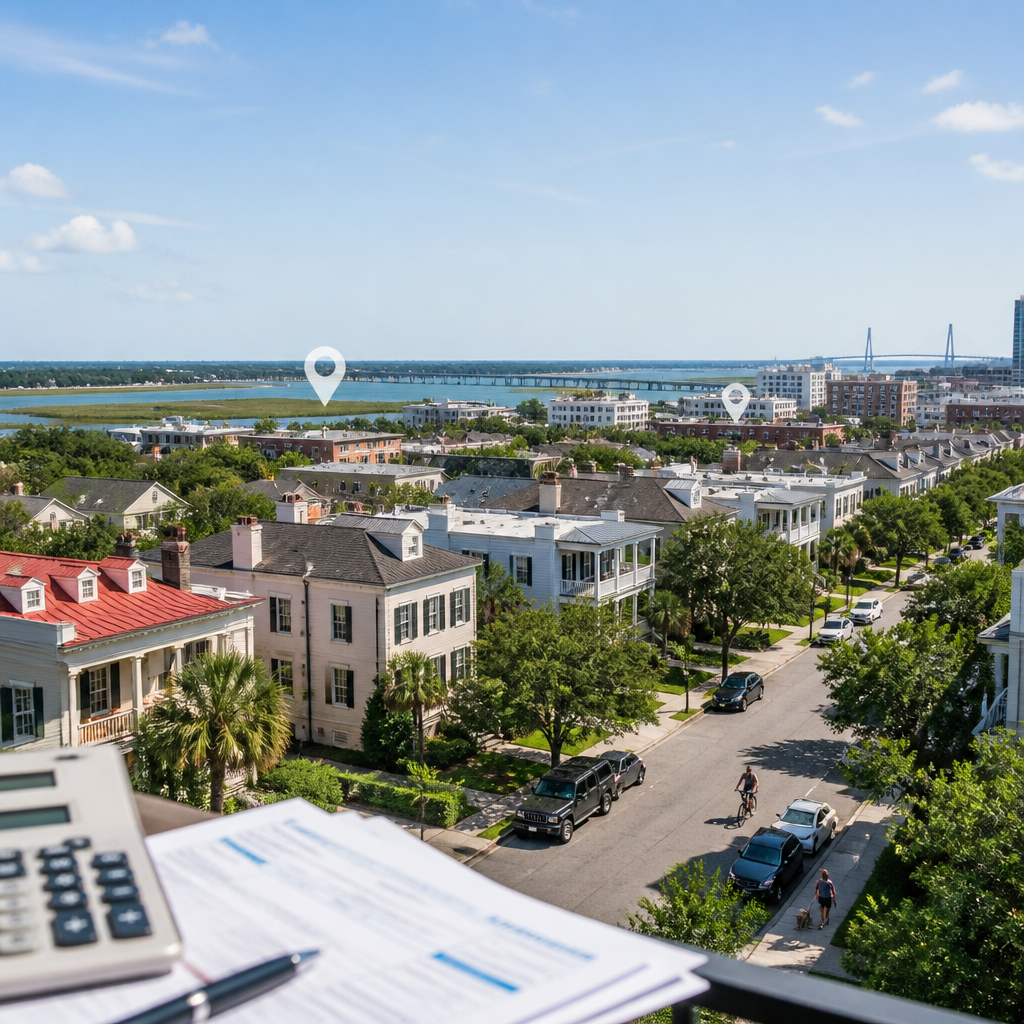
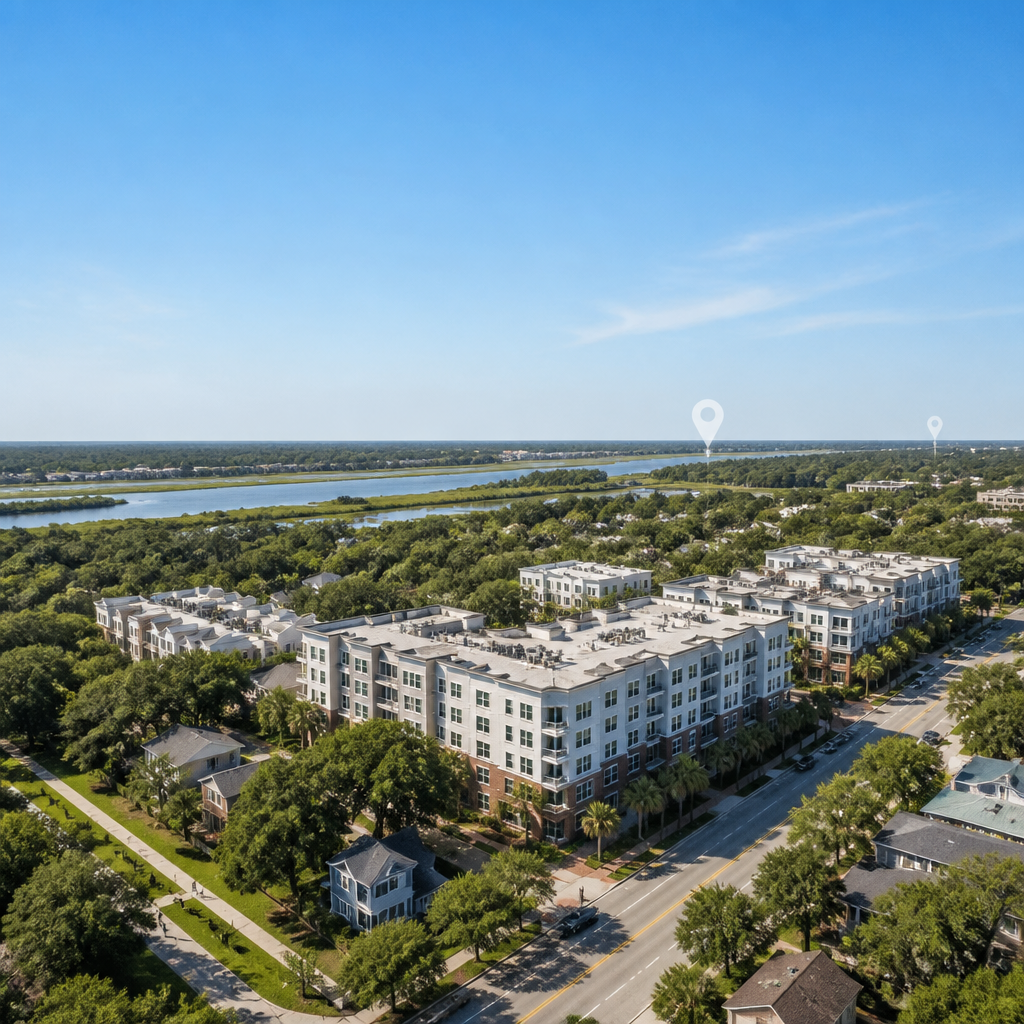
Investing in Arbor Trace: Top Properties to Consider in 2026
Investing in Arbor Trace: Top Properties to Consider in 2026 Arbor Trace in West Ashley, Charleston, offers a compact but compelling pocket for investors targeting stable, mid-range condominiums. The community’s proximity to Savannah Highway and Ashley River Road supports strong commuter demand, whi
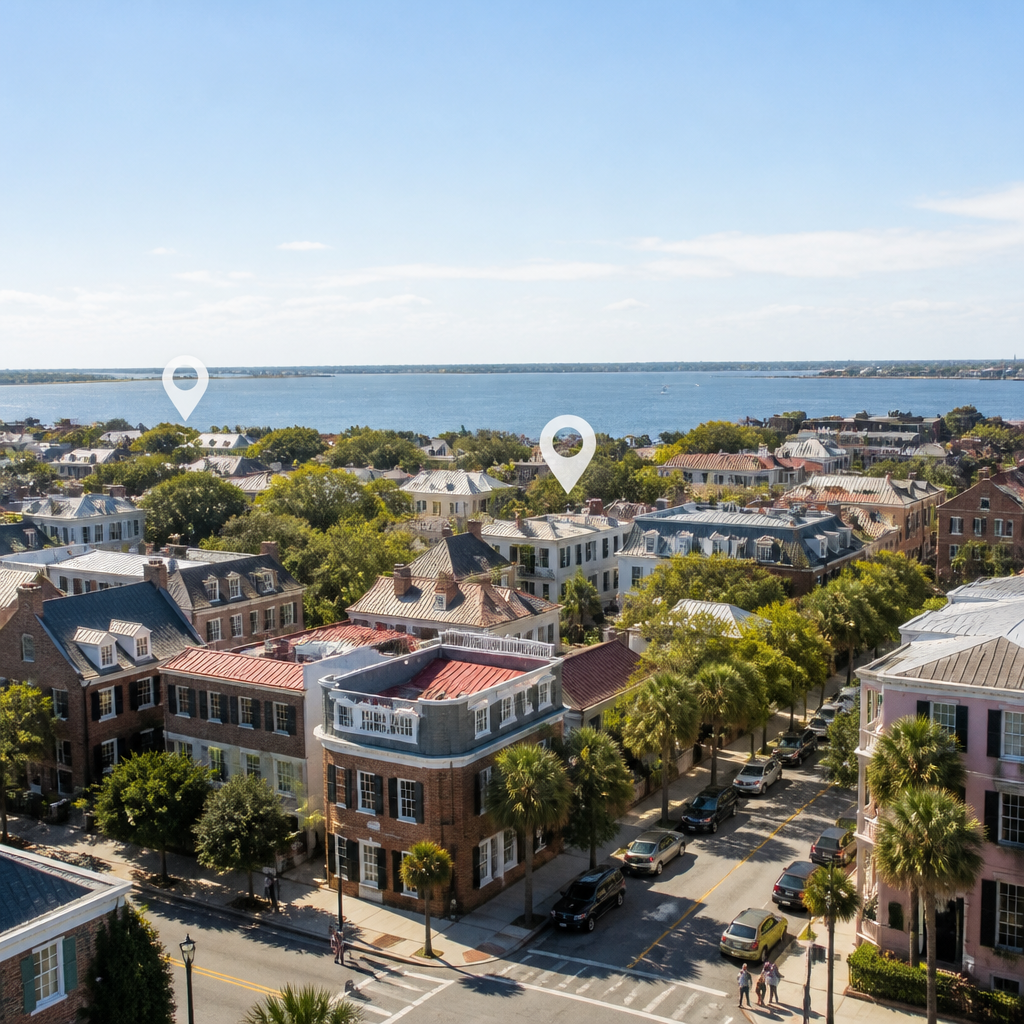
Moving to Ansonborough Charleston: A Complete Guide for 2026
Moving to Ansonborough Charleston: A Complete Guide for 2026 Moving to Ansonborough Charleston in 2026 attracts attention from residents who value history, walkability, and harbor views. According to U.S. Census estimates through 2023, Charleston’s population stands near 157,000, reflecting steady g