
First-Time Home Buyer in Charleston: Essential Tips for 2026
Charleston’s mix of historic architecture and coastal lifestyle continues to attract first-time buyers from across the country. According to Zillow, the typical Charleston home value sits in a range around $520,000 as of late 2024, after several years of steady gains. That price level shapes expectations for down payments, loan options, and neighborhood choices in 2026. Understanding how this evolving market behaves helps new buyers enter with realistic timelines, informed budgets, and clear priorities.
What should a first-time home buyer in Charleston know about the 2026 market?
Charleston’s core neighborhoods from King Street to East Bay Street have shifted from hidden gem status to nationally recognized destinations. According to Redfin, the Charleston metro has seen prices rise in a range of roughly 4% to 7% annually in recent years, with relatively low inventory. By 2026, this pattern is expected to keep competition steady, especially for updated homes near the Ashley River and Cooper River corridors.
Walkability and lifestyle amenities continue to drive demand. The historic downtown area around Marion Square and Charleston City Market posts a Walk Score in the 90s, according to Walk Score, making car-free living realistic for many residents. That convenience, combined with dining along Upper King Street and views from Waterfront Park, often encourages buyers to stretch budgets. Understanding how location premiums work helps first-time buyers balance commute times against long-term appreciation potential.
Market pace also affects strategy. Based on recent trends reported by Realtor.com, many Charleston listings in popular areas such as Ansonborough and Cannonborough/Elliottborough receive offers within roughly 7 to 14 days. Properties near the College of Charleston and The Citadel tend to move even faster, thanks to strong rental potential. Entering with pre-approval, clear must-haves, and flexible closing dates often proves crucial in this environment.
How can a first-time home buyer in Charleston set a realistic 2026 budget?
Budget planning starts with aligning price expectations with income, debt, and reserves. Entry-level condos and townhomes in areas like West Ashley and James Island often trade in a band between $280,000 and $425,000, based on recent sales data tracked by Redfin. That range typically requires household incomes in the mid-$70,000s to low-$100,000s, depending on debts and down payment size. Online affordability calculators provide a useful starting point but should be refined with current local tax and insurance estimates.
Property taxes and insurance deserve early attention. According to the Charleston County Auditor, effective property tax rates often fall roughly between 0.5% and 0.9% of assessed value for owner-occupied homes, though millage varies by municipality. Flood insurance near the Ashley River or along East Bay Street can add several hundred dollars annually. Factoring these recurring costs into a monthly housing budget prevents unpleasant surprises after closing and keeps long-term ownership sustainable.
On warm evenings along Meeting Street near Marion Square, the low hum of traffic mixes with the clinking of glasses from rooftop patios and the savory smell of shrimp and grits drifting out of bustling kitchens on King Street. Streetlights reflect off brick facades and wrought-iron balconies, while the uneven texture of old cobblestones underfoot reminds visitors that this is a centuries-old city. Experiencing that atmosphere in person often clarifies which neighborhoods justify a slightly higher monthly payment.
Which Charleston neighborhoods work best for first-time buyers?
Several Charleston neighborhoods offer a balance of price, accessibility, and appreciation potential. Park Circle in North Charleston, for example, has become a favorite among first-time buyers drawn to craftsman bungalows and renovated cottages. According to Redfin, many Park Circle homes remain in a range under $450,000, often below downtown equivalents. Similar entry-level opportunities appear in parts of West Ashley near the West Ashley Greenway and around Ashley River Road.
James Island and Folly Beach Road corridors attract buyers seeking proximity to sand and surf. Homes within a short drive of Folly Beach or the pier at Sullivan’s Island can command premiums, but condos and smaller single-family properties still enter the market in the high-$300,000s and low-$400,000s. Meanwhile, downtown micro-neighborhoods such as Radcliffeboro and Harleston Village offer walkability to Colonial Lake, Roper Hospital, and the Medical University of South Carolina (MUSC), appealing to healthcare and university professionals.
Late afternoon in Hampton Park brings a different rhythm. The soft rustle of oak leaves, the earthy smell of damp grass, and the distant ring of bicycle bells along Mary Murray Drive create a calm backdrop for colorful joggers’ shirts and the glint of sunlight on the pond’s surface. Nearby streets like Moultrie Street and Cleveland Street showcase modest homes shaded by live oaks, giving first-time buyers a tangible sense of what day-to-day life might feel like in this corner of Charleston.
What mortgages and assistance programs can help a first-time home buyer in Charleston?
Financing strategy often determines which Charleston homes remain within reach. According to the U.S. Department of Housing and Urban Development, FHA loans allow minimum down payments as low as 3.5% for qualifying borrowers, as noted by HUD. Conventional loans frequently accept down payments around 3% to 5%, with improved pricing at 20%. Understanding the trade-offs among mortgage insurance, interest rates, and closing costs helps first-time buyers select a structure that matches long-term plans.
South Carolina also offers state-level support. The South Carolina State Housing Finance and Development Authority, detailed at SC Housing, administers down payment assistance programs that may take the form of forgivable second mortgages or deferred-payment loans, rather than traditional grants. Income limits and purchase-price caps vary by county, so Charleston buyers must verify eligibility. When combined with FHA or conventional loans, this assistance can reduce cash required at closing by several thousand dollars.
Some buyers investigate specialized products near employment anchors. Professionals at MUSC Shawn Jenkins Children’s Hospital, Roper Hospital, or The Citadel sometimes qualify for employer-related benefits, including closing-cost credits or relocation support. According to Mortgage Bankers Association summaries, lender-paid rate buydowns and temporary 2-1 buydown structures have gained popularity, easing initial payments for the first two years. These tools can make areas closer to downtown, such as Ansonborough or Harleston Village, more attainable for early-career professionals.
How can first-time buyers in Charleston compete successfully in multiple-offer situations?
Multiple-offer scenarios have become common in neighborhoods near the Arthur Ravenel Jr. Bridge and along Broad Street, where historic homes remain scarce. According to Redfin, recent national surveys show roughly 50% to 60% of offers in competitive metros face bidding wars, and Charleston behaves similarly in tight months. Strong pre-approval letters, higher earnest money deposits, and flexible closing dates often improve offer strength without necessarily increasing price beyond comfort.
Contingency strategy also matters. Based on guidance from the National Association of Realtors, inspection and appraisal contingencies remain standard in most residential contracts, though timelines sometimes compress to 7 to 10 days in hot markets. Buyers who understand local repair norms on older homes south of Calhoun Street or near East Bay Street can prioritize significant structural issues over minor cosmetic items when negotiating post-inspection credits.
Occasionally, sellers in highly coveted corridors—such as around Waterfront Park or Charleston City Market—respond favorably to non-price factors. Offers that accommodate lease-back periods of 30 to 60 days, cover certain closing costs, or shorten financing deadlines can edge out slightly higher bids. Luxury properties near the tip of the peninsula or harborfront homes priced above $2.4M may favor proof-of-funds letters and larger earnest money, while more modest homes focus on certainty of closing.
How should first-time buyers in Charleston balance ownership with rental options in 2026?
Comparing ownership costs with rents provides critical context. According to RentCafe, average apartment rents in Charleston fall roughly in the $1,700 to $2,000 per month band as of late 2024, with downtown and Mount Pleasant units frequently higher. When principal, interest, taxes, and insurance on a starter home approach similar numbers, long-term equity growth and fixed payments can make ownership competitive, especially for residents planning to stay beyond five to seven years.
Short-term flexibility still favors renting in some situations. Residents uncertain about long-term employment near the College of Charleston, MUSC, or Boeing’s North Charleston facilities may prioritize low commitment while assessing different neighborhoods from Daniel Island to West Ashley. According to Apartments.com, lease terms of 12 months remain standard, with some buildings offering shorter 6-month options at a premium. Understanding these trade-offs helps match housing decisions to career timelines and lifestyle plans.
Maintenance responsibilities also influence the rent-versus-own equation. Single-family homes in older areas like Ansonborough, Harleston Village, and South of Broad may require more frequent roof, foundation, or HVAC work than newer construction in outer suburbs. Budgeting 1% to 2% of property value annually for maintenance and reserves, as suggested by long-standing homeowner rules of thumb referenced by Consumer Financial Protection Bureau, ensures that charming historic details remain an asset rather than a financial burden.
The $520,000 figure from the opening illustrates how far Charleston’s market has advanced, reflecting strong demand and limited central inventory. That same $520,000 benchmark underscores why detailed budgeting, neighborhood selection, and financing strategy matter so much for first-time buyers in 2026. The Charleston Trident Association of Realtors monthly reports provide timely data on inventory, days on market, and pricing trends across submarkets. Buyers who register listing alerts through the regional MLS and commit to touring qualified homes within 24 to 48 hours of listing, especially before the spring surge in March and April, consistently gain earlier access to new opportunities, while those delaying decisions until after the Q2 peak often face tighter choices and higher prices.
FROM OUR BLOG
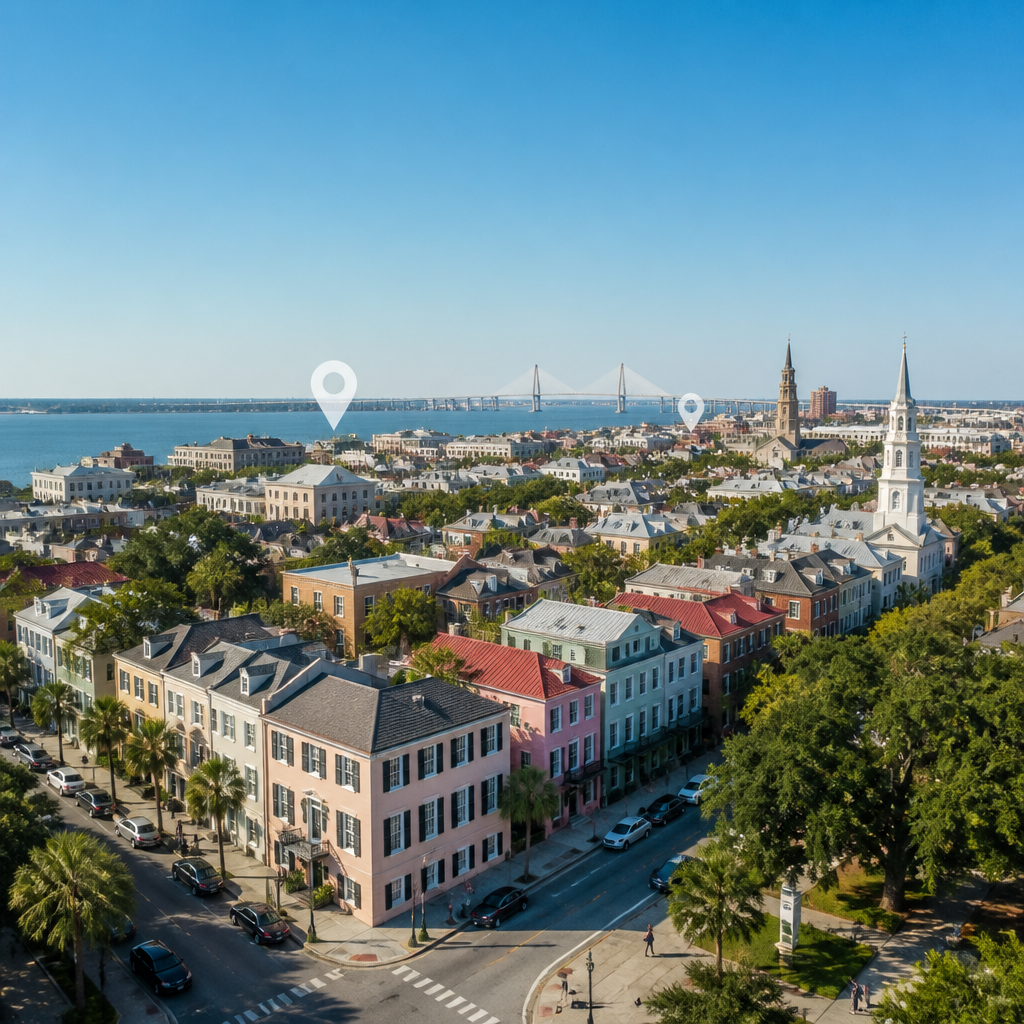
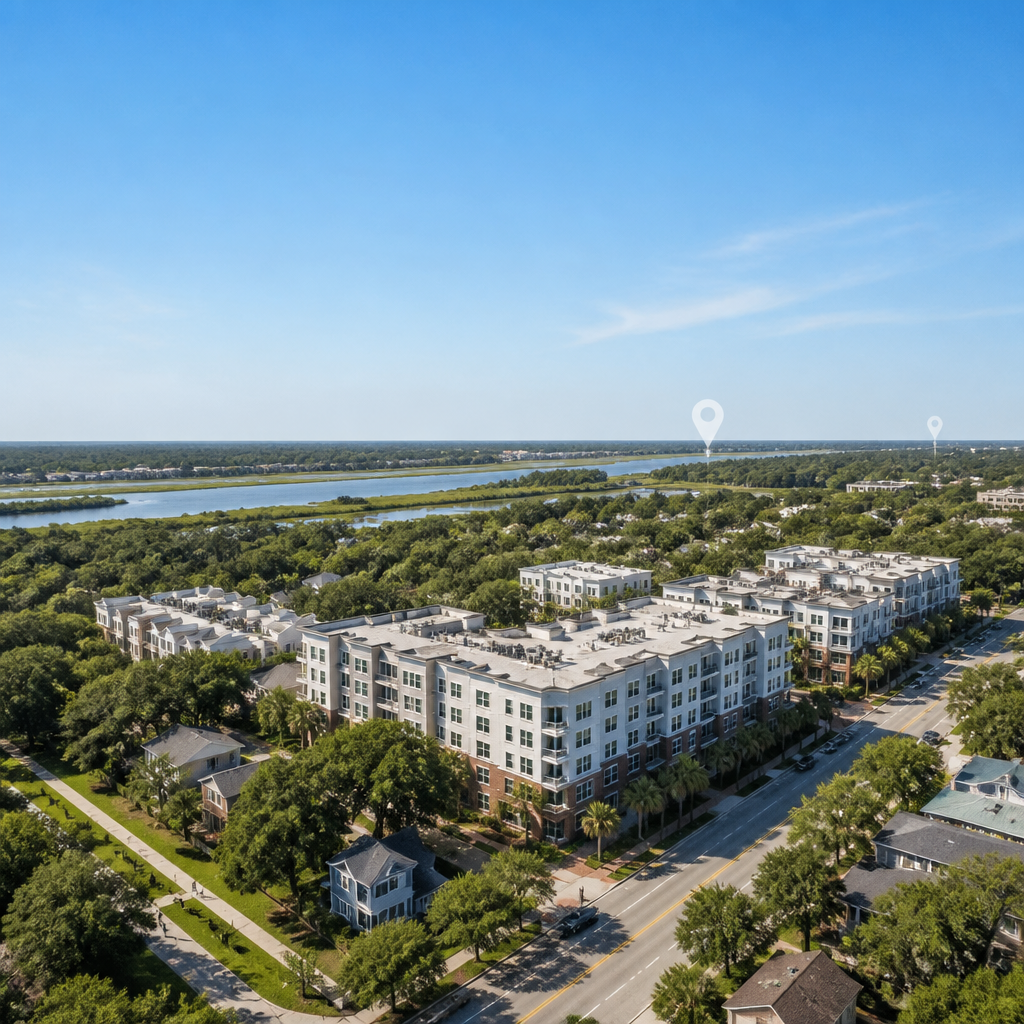
Investing in Arbor Trace: Top Properties to Consider in 2026
Investing in Arbor Trace: Top Properties to Consider in 2026 Arbor Trace in West Ashley, Charleston, offers a compact but compelling pocket for investors targeting stable, mid-range condominiums. The community’s proximity to Savannah Highway and Ashley River Road supports strong commuter demand, whi
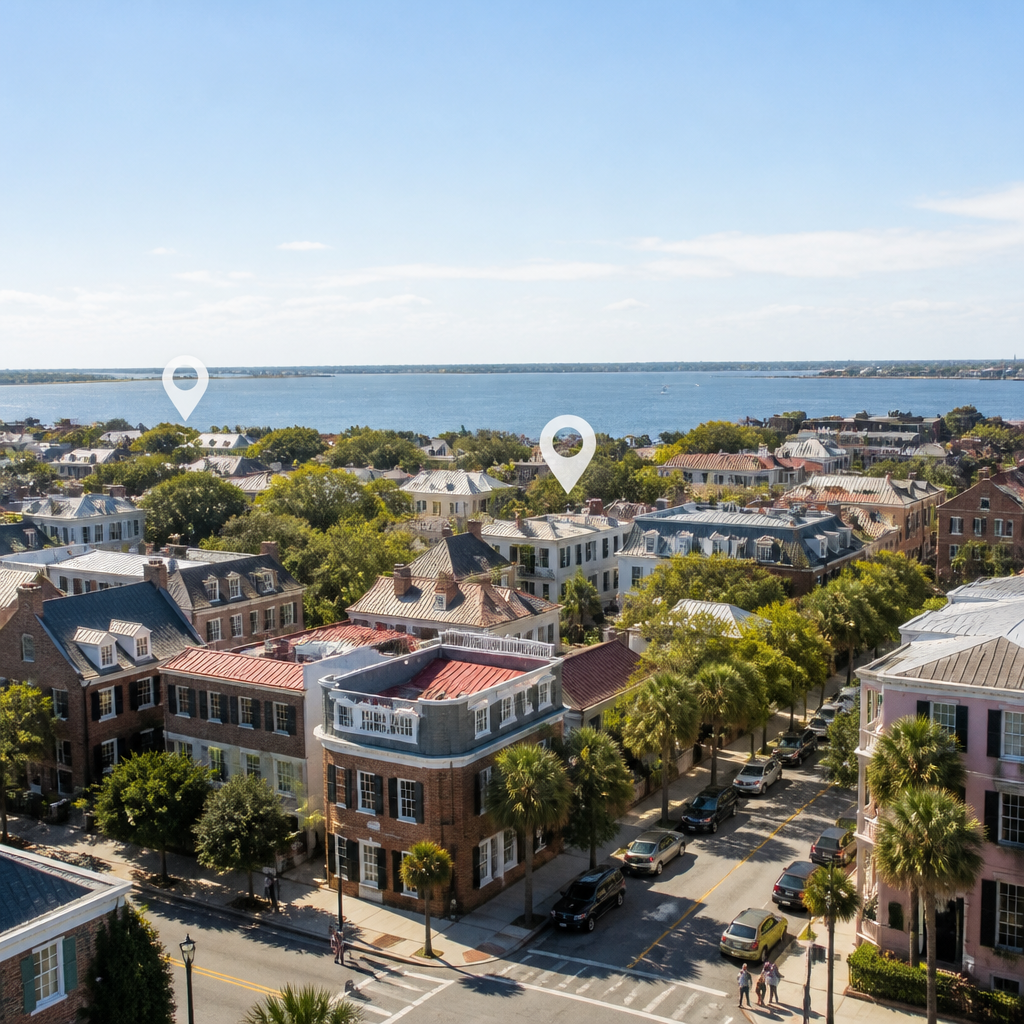
Moving to Ansonborough Charleston: A Complete Guide for 2026
Moving to Ansonborough Charleston: A Complete Guide for 2026 Moving to Ansonborough Charleston in 2026 attracts attention from residents who value history, walkability, and harbor views. According to U.S. Census estimates through 2023, Charleston’s population stands near 157,000, reflecting steady g